


upcoming EXHIBITION

about the show
Terra (Almost) Firma
Unearthing the Unstable Ground
Terra (Almost) Firma: Unearthing the Unstable Ground begins with a contradiction. Terra firma, Latin for “firm land,” names the solid ground beneath us—something presumed stable, dependable, and fixed. The insertion of “almost” unsettles that certainty. What appears solid may shift, erode, sink, fracture, or give way.
The exhibition considers soil and ground as unstable sites—materially, ecologically, politically, and
socially. Soil may be physically degraded or regenerated; it may serve as a receptacle of memory, bearing traces of human and nonhuman histories; or it may become contested territory, shaped by
displacement, extraction, borders, colonial histories, and competing claims to land.
Throughout the exhibition, unstable ground moves between the physical and the metaphorical. The
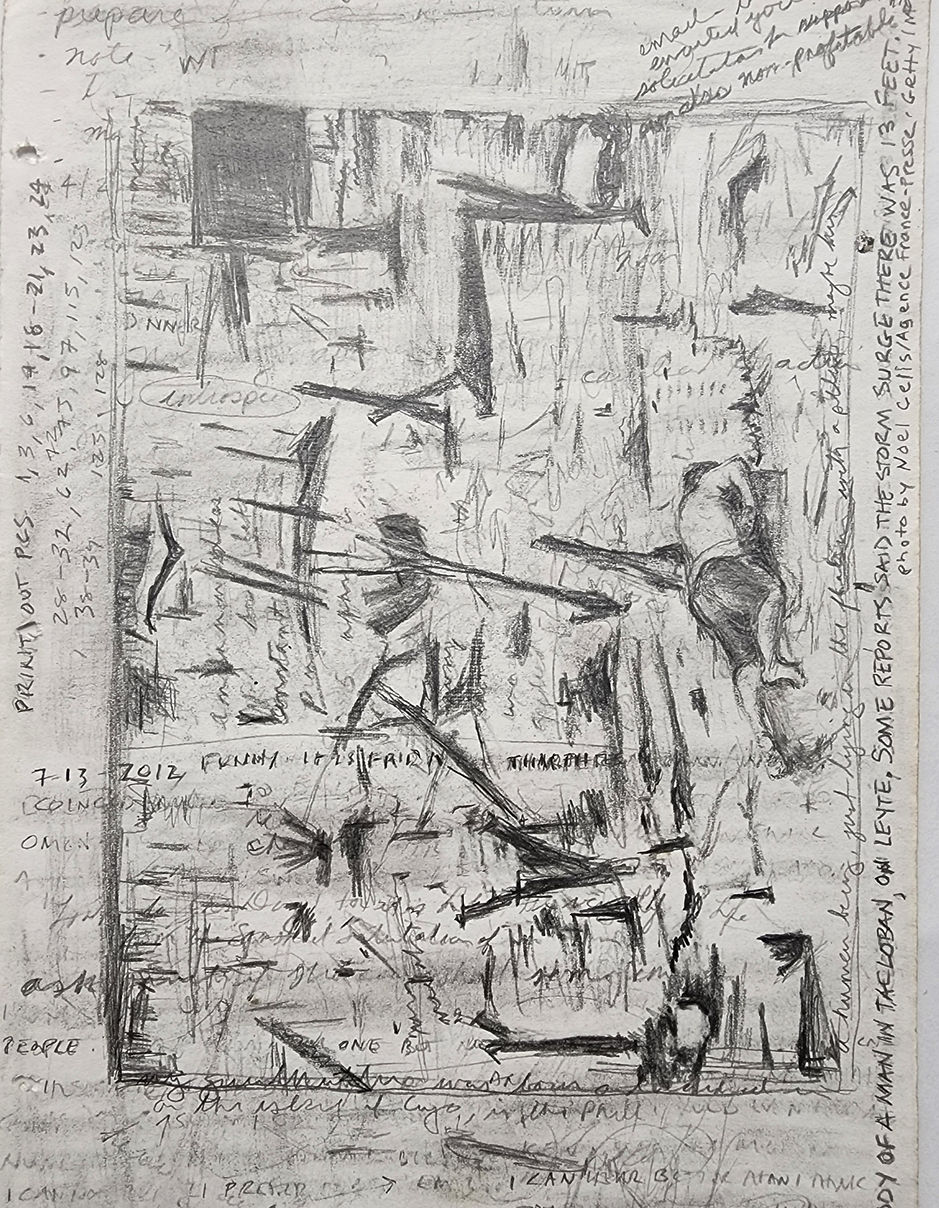
exhibition’s “almost” does not describe a single condition. It appears in fractured ice, submerged vessels dissolving into aquatic environments, blossoms deteriorating against broken asphalt, cycles of growth and decay, geological transformation, ancestral memory, unsettled national symbols, bodily entanglement with soil, and land bearing the traces of displacement. Ground becomes both matter and metaphor: something we physically occupy, something that enters and alters us, and something upon which our assumptions of stability, belonging, and continuity depend.
Terra (Almost) Firma asks what becomes visible when we stop taking the ground beneath us for
granted—and when we slow down long enough to observe it closely. Across the exhibition, soil and land emerge not as passive surfaces but as active sites where ecological processes, human histories, memory, conflict, bodily life, and transformation continually meet.